




What makes a management team investable?

-
 Entrepreneur Lab What does it mean when an investor says no?
-
Entrepreneur Lab Female founders in 2026: what the numbers say
-
Entrepreneur Lab New to PE: Lee Carlin, CEO, London Drainage Facilities Part 1 of 3
-
Entrepreneur Lab Scaling Sustainably: What happens after the deal? Part 3 of 3
-
1:16:57
Entrepreneur Lab Why Investors Say No (And Why That’s Not the End of the Story)
-
Entrepreneur Lab Bridging the Awareness Gap


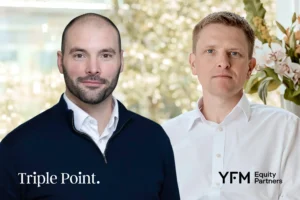




Why investors back teams, not just ideas, and how to close the gaps before you raise
When founders get ready to raise investment, most of the effort goes into the numbers, the deck and the growth plan. Those matter. But across the table, an investor is also asking a simpler question: is this the team to back?
The answer can make all the difference. Investors know that the success of a business often depends on the strength and cohesion of the team driving it forward.
So here is what we look for when we assess a management team, and how you can prepare yours before you raise, whether you are looking for growth capital or considering a management buyout.
▶ Watch: What do private equity investors look for in a management team?
Why do investors back teams rather than ideas?
Investors back teams because a great idea rarely succeeds on its own. Many people think private equity investors only invest in new entrepreneurs who have come up with a great idea. In reality, those people are rare, and even they need support to turn an idea into a successful business.
So we are much more likely to back a team that keeps that entrepreneurial mindset but adds strategic vision, strong leadership and conviction.
For investors in smaller UK businesses, the calibre of the management team says a lot about what the business could become. A team with a mix of skills and a shared vision builds confidence and trust, and those are the foundations of a good partnership. When challenges come, as they do in every business, a strong team is what carries it through.
As Jamie Roberts puts it in What does it mean when an investor says no?, it is “always, always, always people.”
What does a strong management team look like day to day?
Strong management teams have a balanced view of how the business is really performing. They stay humble when things go well and resilient when they don’t.
Decisions are made inclusively, with every voice heard and respected regardless of hierarchy. Trust and open communication sit underneath the way they work together, and that is what makes collaboration and new ideas possible.
What are the warning signs?
The biggest warning sign is arrogance. In his book Good to Great, Jim Collins describes great leaders as combining personal humility with a fierce determination to succeed. They are driven by what they want to achieve, not by personal gain or fame. Arrogance does the opposite: it gets in the way of trust and collaboration.
A humble, open-minded approach invites constructive challenge, and that is where growth comes from. The strongest leadership teams we see collaborate, value different perspectives and, above all, listen and keep adapting.
What skills should a management team have?
A well-rounded management team needs more than visionary leaders. A blend of skills, from finance to sales to technology, means the key areas of the business are covered.
Diversity of background and perspective matters too. It leads to better decisions and a team that adapts more easily as markets change. Sonia Allinson-Penny’s leadership due diligence series looks at this in more depth.
Six qualities of an investable team
At YFM, we spend a lot of time looking back at previous investment decisions to keep refining our view of what a backable team looks like. The same qualities come up again and again.
- Adaptability. Investable teams respond well when the market shifts, drawing on different perspectives and experience to spot opportunities and manage risks.
- Complementary skills. They combine a range of skills and characters, mixing technical expertise with strategic thinking to solve difficult problems and get ahead of new trends.
- Clear leadership. Good leaders set a clear direction the whole team can get behind. They set strategic goals and build a culture of accountability and continuous improvement.
- Learning from setbacks. Past failures are lessons, not reasons to stop. Investable teams use what they have learned to sharpen their plans and build resilience.
- Using data to make decisions. They use key performance indicators (KPIs) and good information to guide decisions and keep the business aligned with its goals.
- Chemistry with their investor. At YFM, we invest in teams, not just businesses. We want to work with founders who build a relationship with us based on trust, openness and shared values.
How do you close the gaps before you raise?
Investors look beyond the product or service to the team behind it, so the best preparation is an honest look at your own. Start by assessing your management team’s strengths and where the gaps are.
Practical advice: make a plan to fill those gaps before you raise, whether through recruitment, training or strategic partnerships. It also helps to think about the team you will need as the business grows, not just the one you have today.
If you are preparing for that first conversation with an investor, First PE meetings: do’s, don’ts and war stories covers what to expect in the room.
One last thing
Whether you are raising growth capital or planning a management buyout, the question at the heart of it is the same: is this a team worth backing?
Strategic vision, leadership and adaptability are what make the answer yes. The idea gets you into the room. The team gets you backed.
If you would like to talk about your business and your team, meet the YFM team or get in touch.