





Back
Part 3 of 3
Scaling Sustainably: What happens after the deal?
-
 Entrepreneur Lab Private Equity for Founders: Advice from LDF CEO Lee Carlin Part 3 of 3
 -
Entrepreneur Lab Buy & Build: What We Actually Look For
-
Entrepreneur Lab Getting M&A ready Part 2 of 3
-
Entrepreneur Lab What founders are really asking about M&A and Exit Readiness
-
Entrepreneur Lab New to PE: Lee Carlin, CEO, London Drainage Facilities Part 1 of 3
-
Entrepreneur Lab M&A, plain and simple:




Seven practical focus areas for the first 100 days and beyond
Securing capital or completing an acquisition is a milestone, but creating lasting value is where the real work begins. Post-deal, founders face a familiar challenge: how to integrate effectively, scale leadership, and sustain growth without losing what made the business successful.
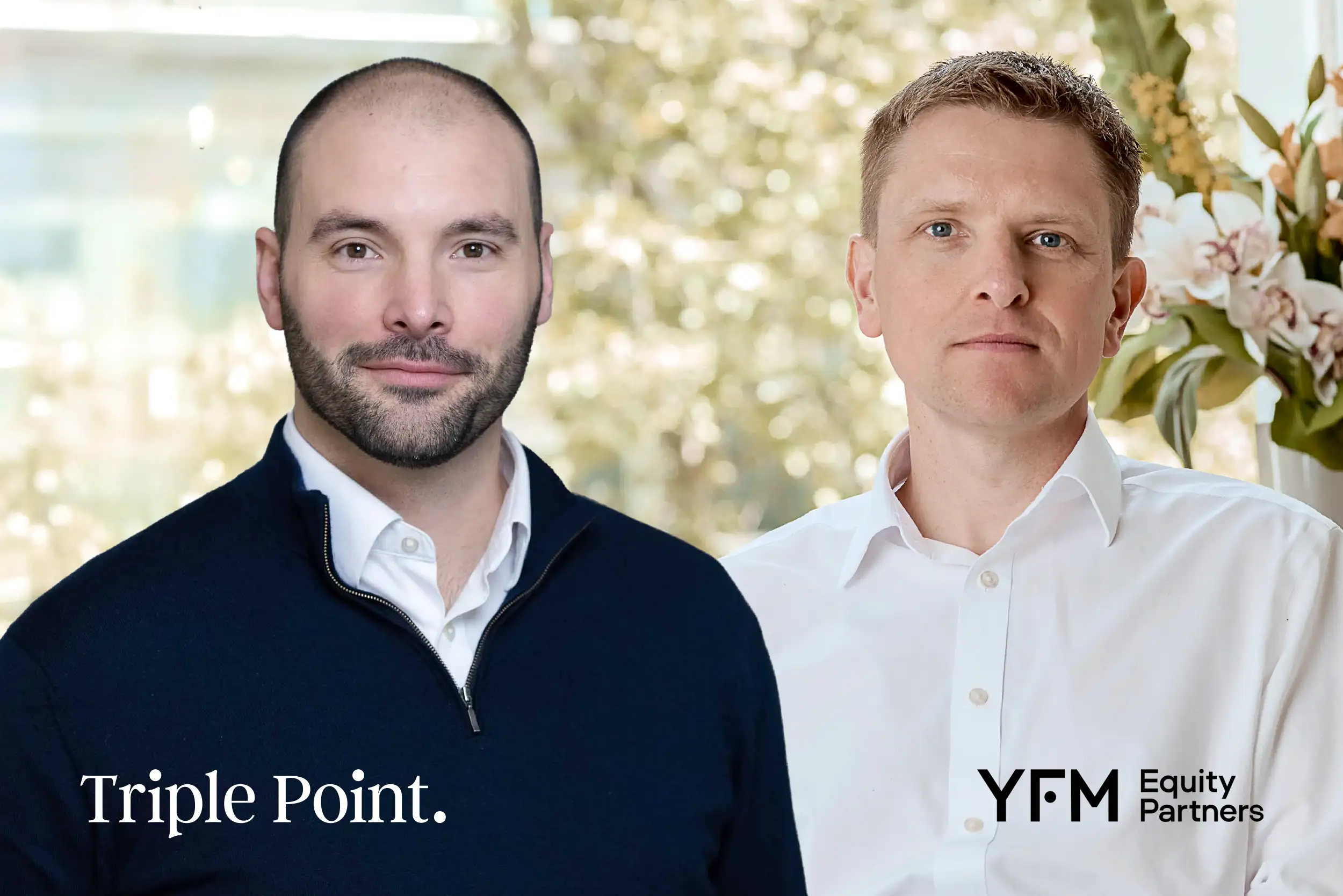
In this third part of the series, YFM’s Managing Partner Jamie Roberts and Triple Point’s Head of SME Debt Finance Dominic Reason bring together both equity and debt perspectives to explore what matters most after the deal.
Integration with purpose
Successful integration works best when it stays close to the original plan, keeping people, systems and customers aligned behind a clear direction. Setting the cultural tone early through simple, consistent communication and a steady operating rhythm can reduce friction and build confidence.
Assigning clear ownership across key workstreams helps maintain momentum and accountability, while early focus on retaining key people and protecting customer relationships preserves value as synergies begin to come through. In the early stages, stability tends to matter more than sophistication, optimisation can follow.
Leadership that scales
Sustainable growth requires leadership capacity as much as capital. It’s important to assess where the existing team can stretch and where additional depth is needed, often across finance, operations and commercial roles.
From an equity perspective, backing the right people and strengthening the leadership bench is critical to delivering the strategy. A clear operating cadence, with focused Board engagement, concise executive meetings and consistent KPI reviews, helps maintain momentum without adding unnecessary complexity.
Encouraging accountability, transparency and resilience ensure decisions can be made quickly and confidently, while clear stakeholder communication keeps everyone aligned.
Operational discipline and visibility
Putting scalable processes in place early helps turn activity into predictable outcomes. This includes reliable forecasting, margin tracking, cash management and clear reporting, all tied to a KPI framework that links day-to-day performance to strategy.
From a debt perspective, clear and timely management information is fundamental, not just for compliance, but for building trust and maintaining flexibility for future funding. Strong reporting creates visibility, supports better decision-making, and allows both lenders and management teams to respond quickly as the business evolves.
Customer and market focus
During integration, protecting the core business usually delivers the greatest return. Customers rarely focus on ownership changes, they notice consistency.
This period is a valuable opportunity to deepen customer insight, validate product–market fit, and prioritise revenue streams with the strongest economics. At the same time, taking a fresh look at competitive positioning ensures the strategy reflects current market dynamics rather than pre-deal assumptions.
Being realistic about synergies, what is achievable, and over what timeframe, helps keep ambition credible and aligned with execution.
Planning for sustainable growth
A focused 100-day plan helps create early traction, supported by a longer-term roadmap that sequences investment and scaling decisions over the next 12 to 36 months.
Balancing ambition with affordability ensures that hiring, investment and expansion remain aligned with the capital structure. Preparing early for future funding, whether debt, equity or a combination, increases optionality and keeps growth on track.
Culture and people as value drivers
Defining a clear set of behaviours, such as accountability, pace, clarity and customer focus, helps guide the next stage of growth.
Blending the strengths of existing teams with new leadership reduces friction and avoids “us versus them” dynamics. Regular, honest communication, both internally and externally, builds trust and keeps everyone aligned around long-term goals.
Over time, the aim is to create a culture that adapts well to change and continues to learn as the business scales.
Risk management and resilience
Strengthening core controls early, across areas like cyber security, compliance, data governance and financial resilience, helps reduce downside risk while the organisation evolves.
Stress-testing the plan and maintaining a balanced approach between growth and risk ensures the business is well positioned to navigate change. Constructive challenge at Board level can play an important role in keeping that balance.
Conclusion
Funding or acquisition creates the platform, but value is built through what happens next. Thoughtful integration, strong leadership, operational discipline and a culture that supports change are what turn opportunity into long-term success.
When equity and debt are aligned behind a clear plan, businesses are better equipped to scale with confidence, resilience and control.




Part 3 of 3
What should founders know before taking private equity investment? In the final article…

Acquisitions don't create value on their own, successful buy-and-build strategies depend on preparation,…
Part 2 of 3
Completing an acquisition is only the beginning. Drawing on LDF's first acquisition, Lee…
What are founders really asking when they start thinking about acquisitions and exit…